Prototyping in Industrial Design
High-precision injection molding for plastic parts with tight tolerances, fast turnaround, and support for complex geometries.
Get custom parts in as fast as 5 business days, backed by ISO 9001 and IATF 16949 certifications. Includes free DFM analysis and moldflow simulation to optimize design and manufacturability.
Custom Injection Molding Services
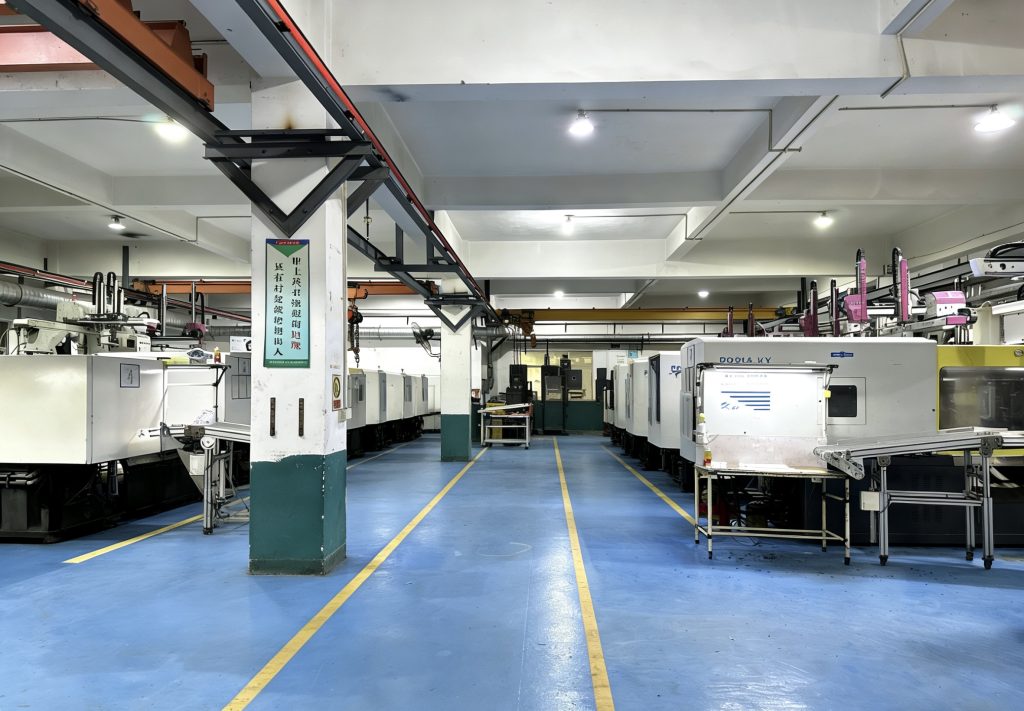
At Kiya, we support prototype, low-volume, and high-volume production using both aluminum and steel molds. Our engineering team provides DFM optimization and mold flow analysis to ensure your custom parts are fully optimized for manufacturability and performance.Our facility is equipped with a wide range of injection molding machines, including 100–500 ton, 500–650 ton, and up to 1000 ton systems, enabling us to produce parts of varying sizes and complexities. All molds are designed and manufactured in-house, ensuring full control over quality, precision, and lead time.
Ready to Get Started?
Looking for a reliable partner for high-quality two-shot injection molding? Kiya is here to deliver.Our team is prepared to offer personalized solutions tailored to meet your exact specifications and ensure your project’s success. Let’s get started today!
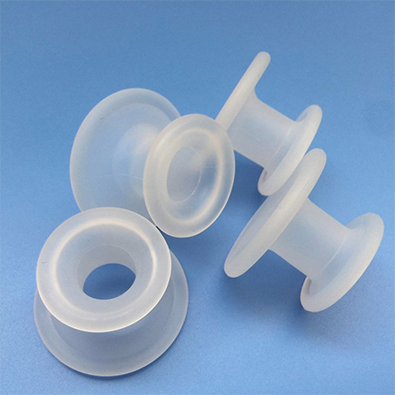
LSR Molding
Ideal for high-precision, high-temperature, and chemically resistant applications, providing exceptional elasticity and long-term durability.
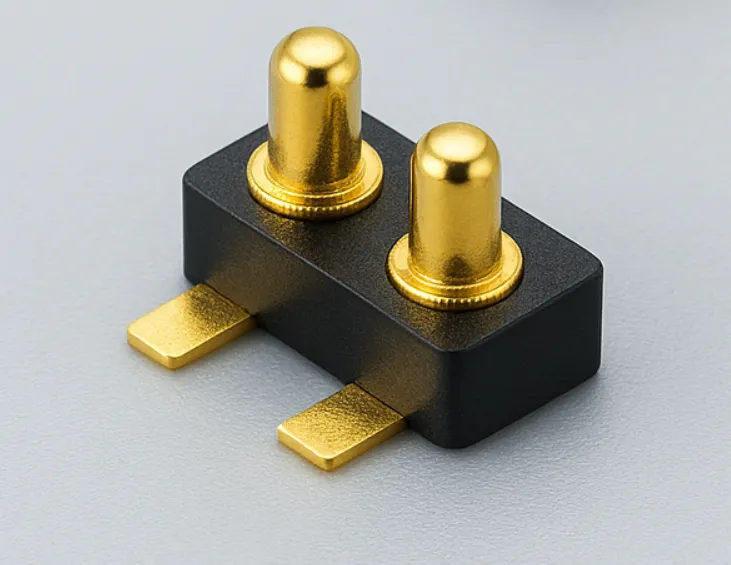
Insert Molding
Embeds metal or other materials within plastic components, enhancing strength and functionality. Perfect for parts requiring high strength and electrical performance.
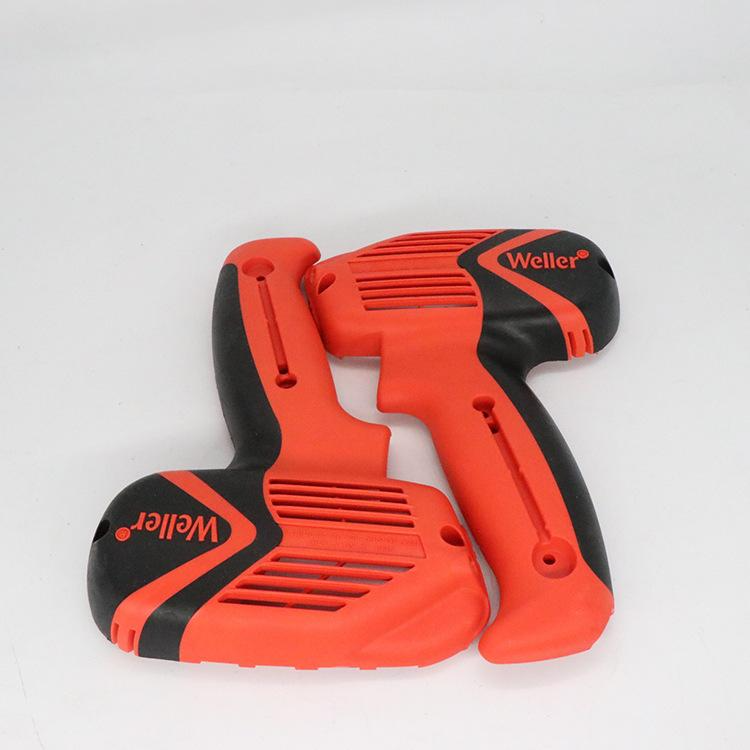
Overmolding
Adds a layer of flexible or rigid material over a base component to improve durability, comfort, and aesthetics. Often used for handles, electronic casings, and more.
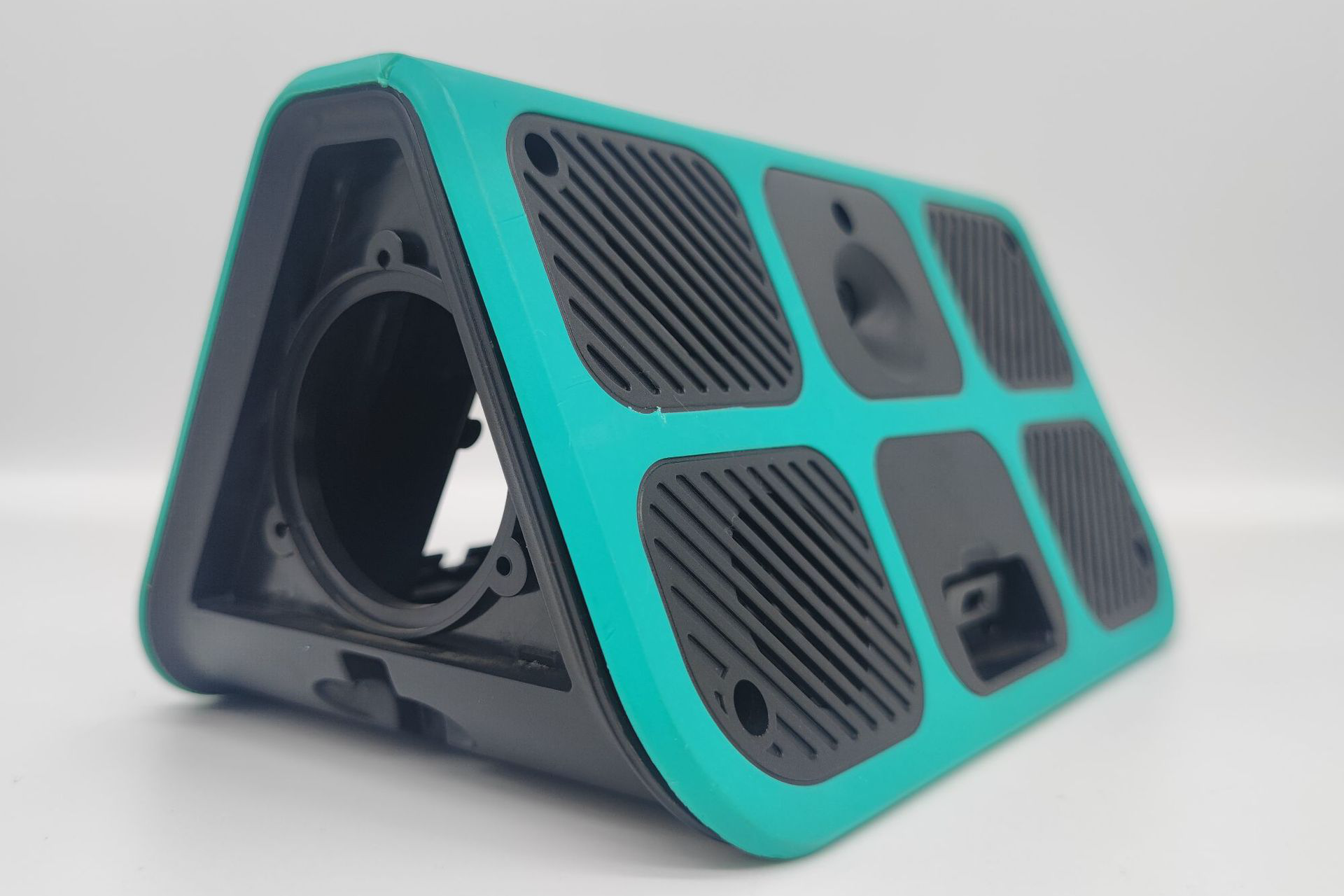
Two-Shot Injection Molding
Produces multi-material or multi-color parts in a single molding cycle, optimizing design and reducing post-processing. Widely used for functional parts and multi-material integration.
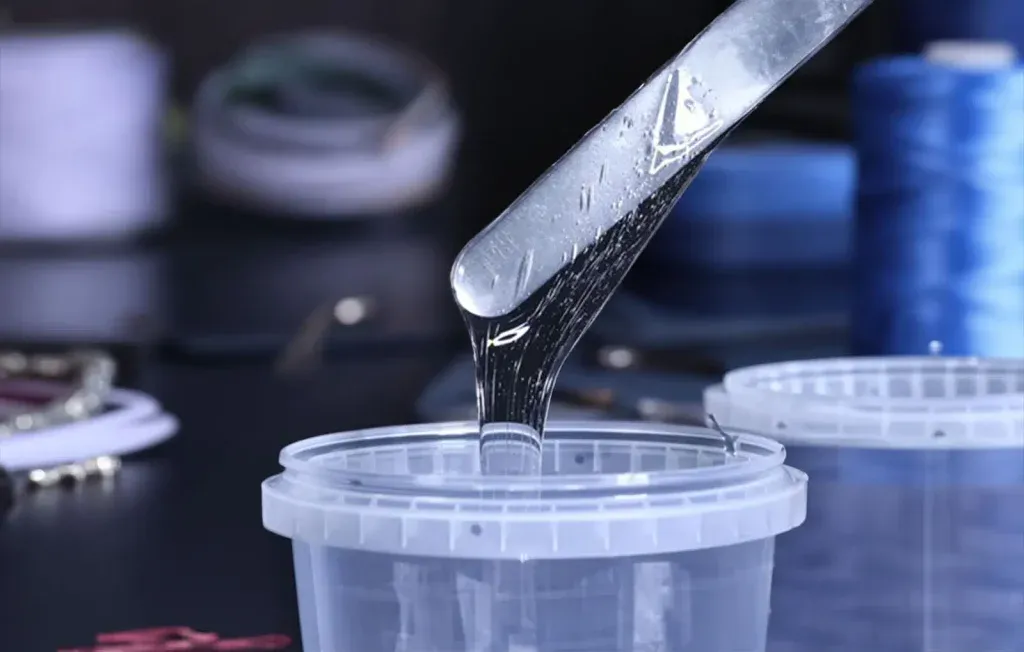
Liquid Silicone Rubber (LSR) Materials
Standard Silicone (30–70 Shore A): Versatile and cost-effective, offering excellent flexibility and durability for general applications.
Medical-Grade Silicone: Biocompatible and compliant with strict medical standards, ideal for healthcare and wearable devices.
Optical-Grade Silicone: High transparency and light transmission, suitable for lenses, lighting, and optical components.
Fluorosilicone: Enhanced resistance to fuel, oil, and harsh chemicals, ideal for automotive and aerospace applications.
LSR Molding Surface Finish Options
| Finish | Description |
|---|---|
| PM-F0 | Non-cosmetic finish, final appearance at discretion of manufacturer |
| PM-F1 | Low-cosmetic finish, most tool marks removed |
| PM-F2 | Non-cosmetic, EDM permissible for precision |
| SPI-C1 | 600 grit stone, 10-12 Ra for general surface finish |
| PM-T1 | SPI-C1 + light bead blast, finer surface finish |
| PM-T2 | SPI-C1 + medium bead blast, suitable for functional surfaces |
| SPI-B1 | 600 grit paper, 2-3 Ra, ideal for functional components |
| SPI-A2 | Grade #2 diamond buff, 1-2 Ra for high-quality finish |
Insert Molding from Prototyping to Production
From early-stage prototyping to full-scale production, our insert molding solutions deliver strong, reliable integration of metal and plastic components in a single process. This approach enhances part strength, reduces assembly steps, and ensures consistent quality—making it ideal for high-performance and cost-efficient manufacturing.
About Insert Molding
Insert molding is a process where molten plastic is injected around a pre-placed insert or substrate, forming a single, integrated component. Common inserts include brass threaded inserts, bushings, and custom metal parts, enhancing strength and functionality.
This process is often combined with overmolding when multiple materials are required in one part, enabling greater design flexibility and improved product performance. At kiya, we offer both insert molding and overmolding solutions, delivering reliable, high-precision components from prototyping through to production.
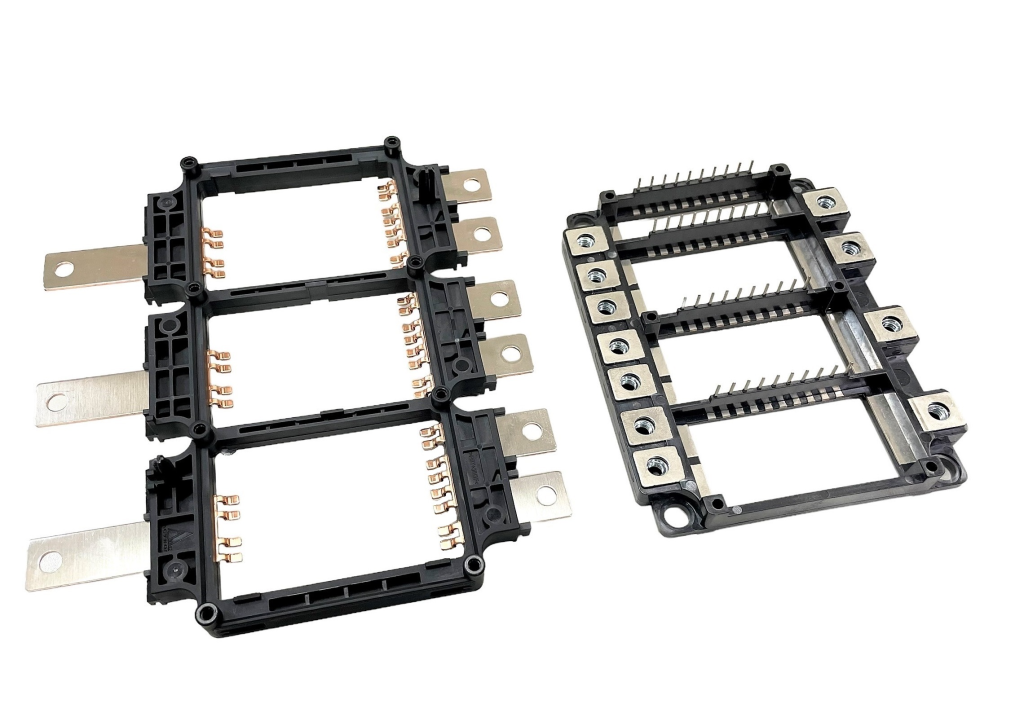
Kiya Insert Molding Capabilities
At Kiya, our insert molding capabilities enable the production of parts that meet both functional and aesthetic requirements. We combine precise mold design with advanced injection molding processes to ensure strong insert bonding, dimensional accuracy, and consistent quality.
The following design guidelines help improve manufacturability, reduce lead times, and enhance overall part performance and appearance.
| Standards | Metric Units | Imperial Units |
|---|---|---|
| Maximum Part Size | 800 × 1000 × 400 mm | 31.50 × 39.37 × 15.75 in |
| Minimum Part Size | 2 × 2 × 2 mm | 0.08 × 0.08 × 0.08 in |
| Substrate Wall Thickness | 0.5 to 3.0 mm | 0.02 to 0.12 in |
| Tolerance | +/- 0.025 mm | +/- 0.00098 in |
| Inserts | Inserts can be female and male. They both can improve a product’s appearance and utility. | |
| Mold Validation | Provide T0, T1, T2 samples before mass production. | |
| Inspection and Certification | First Article Inspection (FAI), ISO 9001, ISO 13485 compliant. | |
| Lead Time | From mold making to sample delivery: 15 – 45 business days. | |
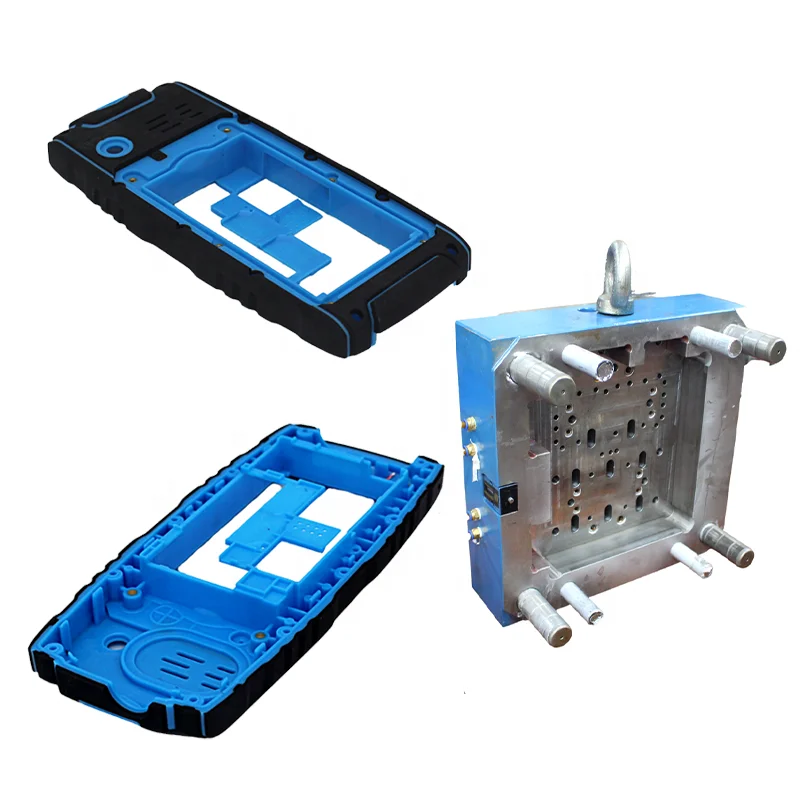
What is Overmolding?
Overmolding is a multi-material injection molding process that combines two compatible materials into a single integrated part. The first shot forms a rigid substrate, while the second shot applies a softer, flexible overmold layer.
By creating a strong mechanical or chemical bond between materials, overmolding enhances functionality, durability, and aesthetics, enabling designs that are not achievable with single-material components.
Our Overmolding Capabilities
At Kiya, our custom overmolding services enable the production of high-performance, multi-material parts with enhanced durability and appearance. Using advanced injection molding processes, we seamlessly combine different materials into a single component, ensuring strong bonding, consistent quality, and superior product performance.
| Standards | Metric Units | Imperial Units |
|---|---|---|
| Maximum Part Size | 200 × 400 × 100 mm | 7.87 × 15.75 × 3.94 in |
| Minimum Part Size | 2 × 2 × 2 mm | 0.08 × 0.08 × 0.08 in |
| Substrate Wall Thickness | 0.5 to 3.0 mm | 0.02 to 0.12 in |
| Tolerance | +/- 0.025 mm | +/- 0.00098 in |
| Radii | 0.1 mm | 0.0039 in |
| Depth | 100 mm from parting line | 3.94 in from parting line |
| Mold Validation | T0, T1, T2 samples provided prior to mass production. | |
| Inspection & Certification | First Article Inspection (FAI), ISO 9001, ISO 13485 compliant. | |
| Lead Time | 15 – 45 business days (from mold fabrication to sample delivery). | |
Overmolding vs. Two-Shot Injection Molding
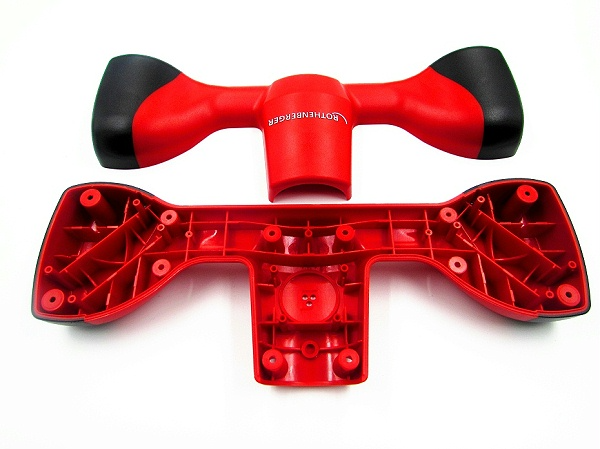
Overmolding is a broad process where a base material is covered with a secondary material—such as plastic or elastomer—to create a finished part. It can be performed through single-mold methods (e.g., insert molding) or multi-step processes, making it suitable for simple encapsulation and added functionality.
Two-shot injection molding is a more advanced form of overmolding, where two materials are injected sequentially within a single mold using specialized equipment. This process enables precise material integration, making it ideal for complex, high-performance components. In short, overmolding offers flexibility, while two-shot molding delivers higher precision and structural integration.
| Comparison | Overmolding | Two-Shot Injection Molding |
|---|---|---|
| Process Scope | Secondary process; molding material over a pre-existing substrate (plastic or metal). | Integrated process; two materials injected sequentially in a single automated cycle. |
| Mold Design | Standard molds; often requires part transfer (manual or robotic) between stations. | Complex specialized molds featuring rotary platens or index plates. |
| Equipment | Standard injection molding machines (cost-effective for low-mid volumes). | Dual-barrel machines with multi-injection units (high-precision high-volume). |
| Bonding Strength | Primarily relies on mechanical interlocking or chemical adhesives. | Superior molecular bonding achieved through thermal fusion of materials. |
| Production Efficiency | Lower; includes cooling and secondary handling/transfer time. | Maximum; fully automated, reduced labor, and shorter overall cycle times. |
| Optimal Application | Large parts, low-volume runs, or complex metal-insert encapsulation. | High-precision electronic components, medical devices, and high-volume consumer goods. |