Prototyping in Industrial Design

  • Industrial Design Prototyping

  • Prototype Development

  • From Concept to Production

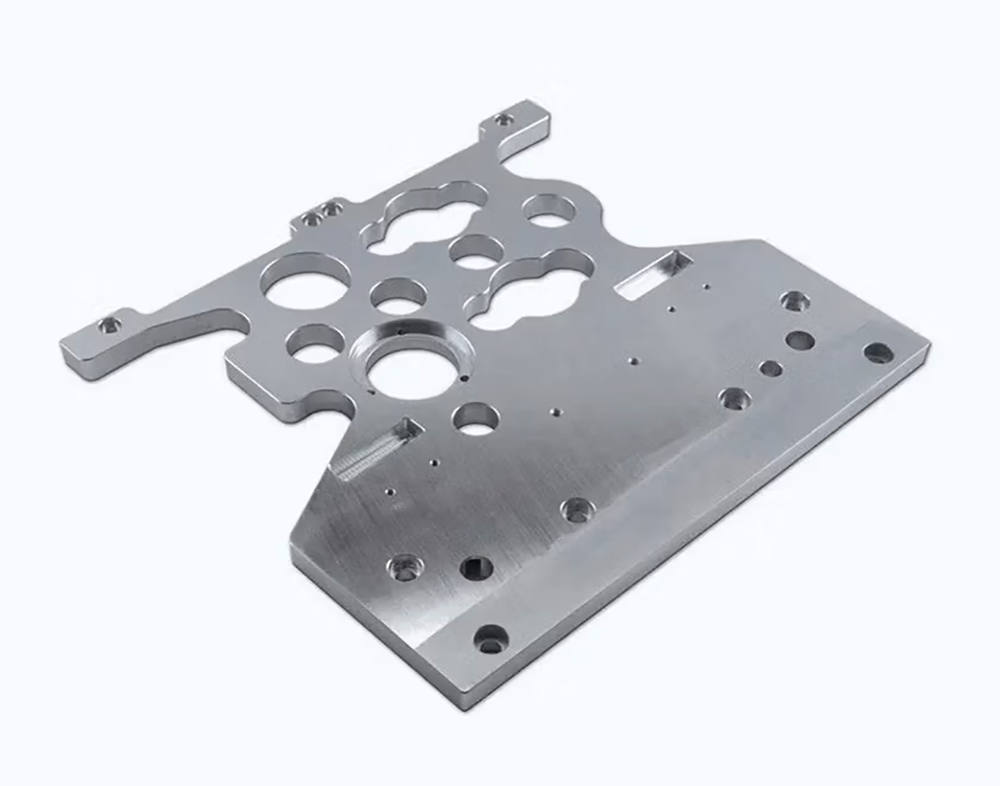
Custom CNC Machining Services: Machining, Turning, Milling, and Routing

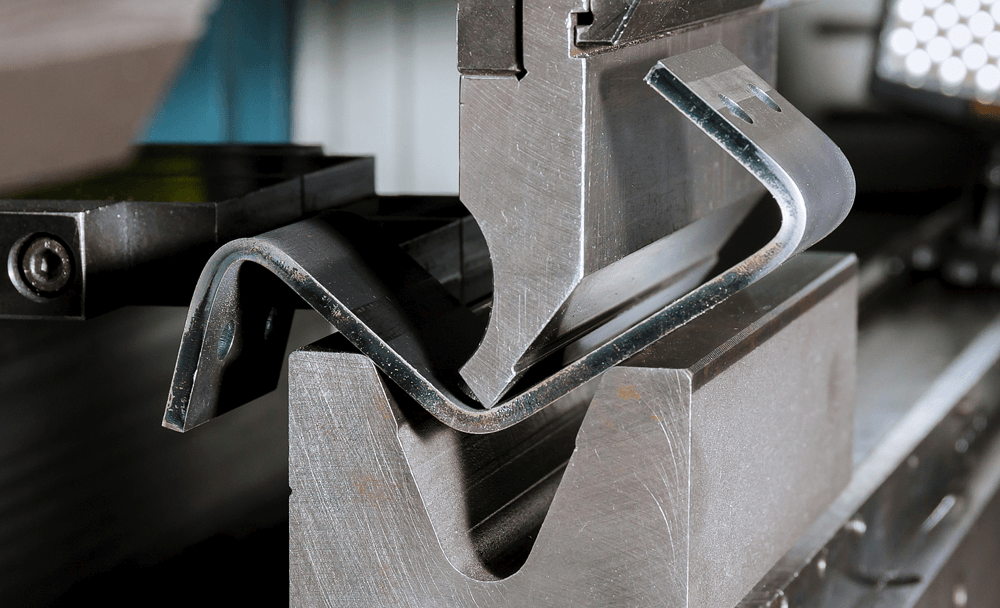
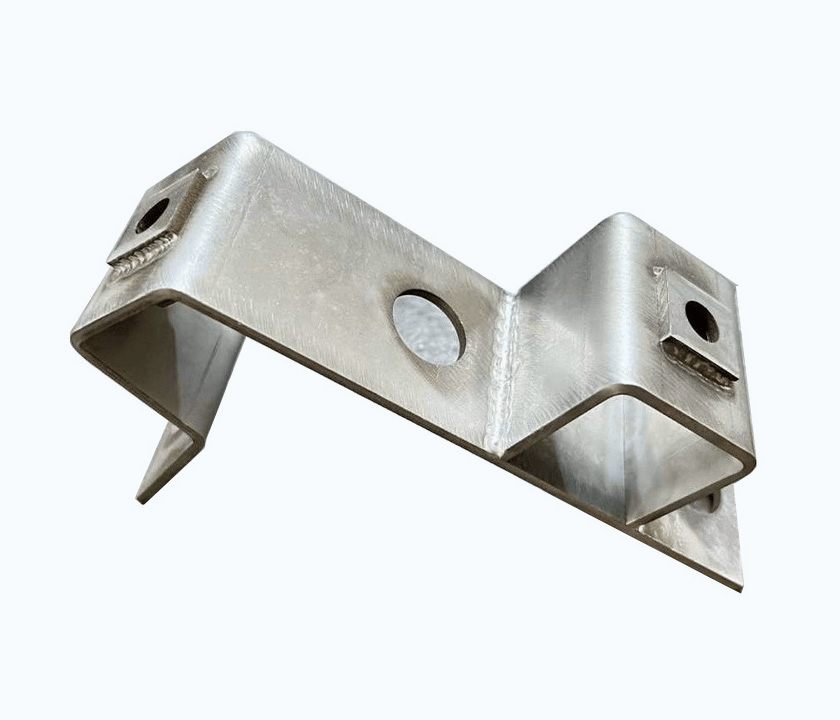
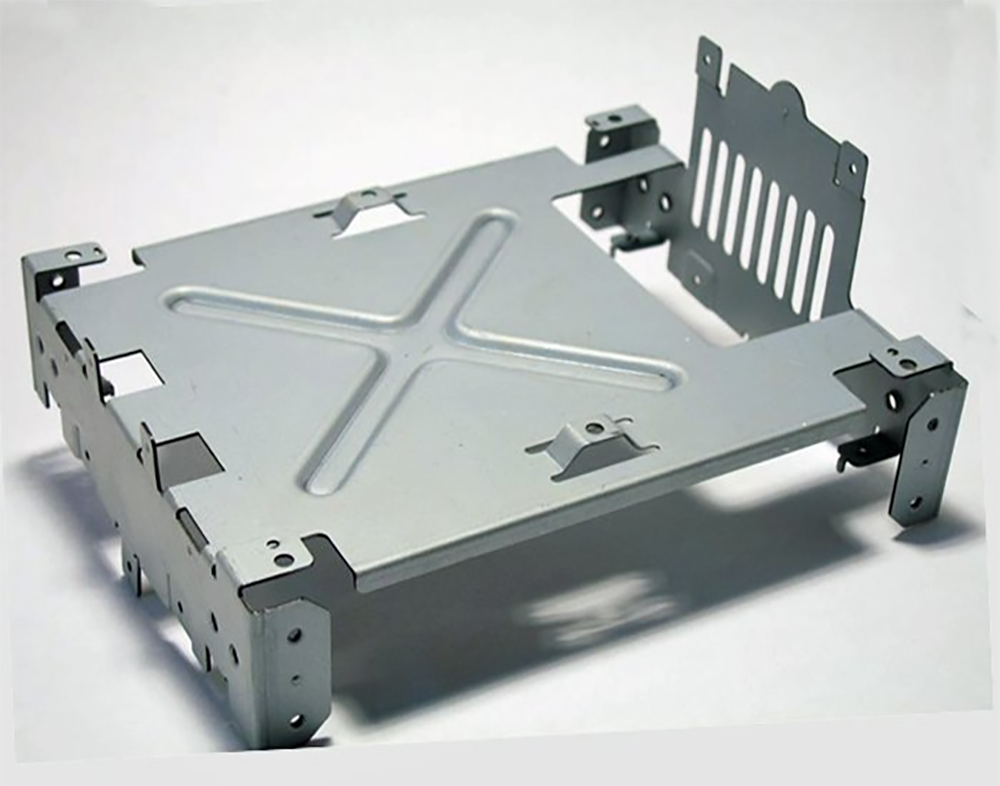
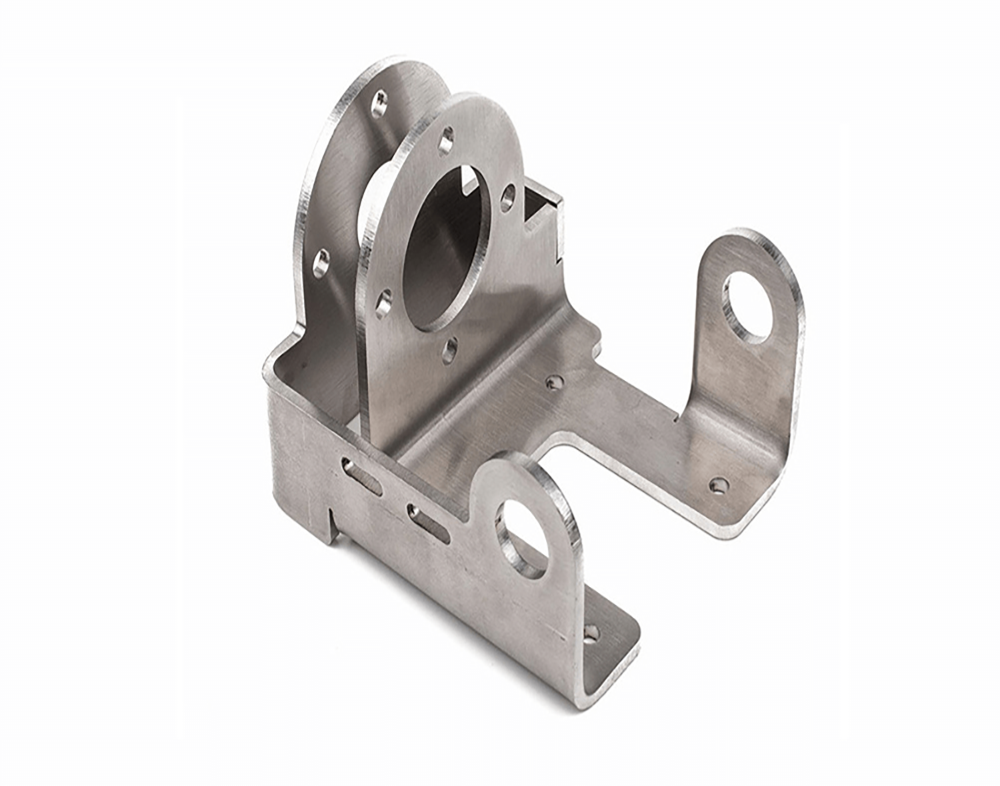
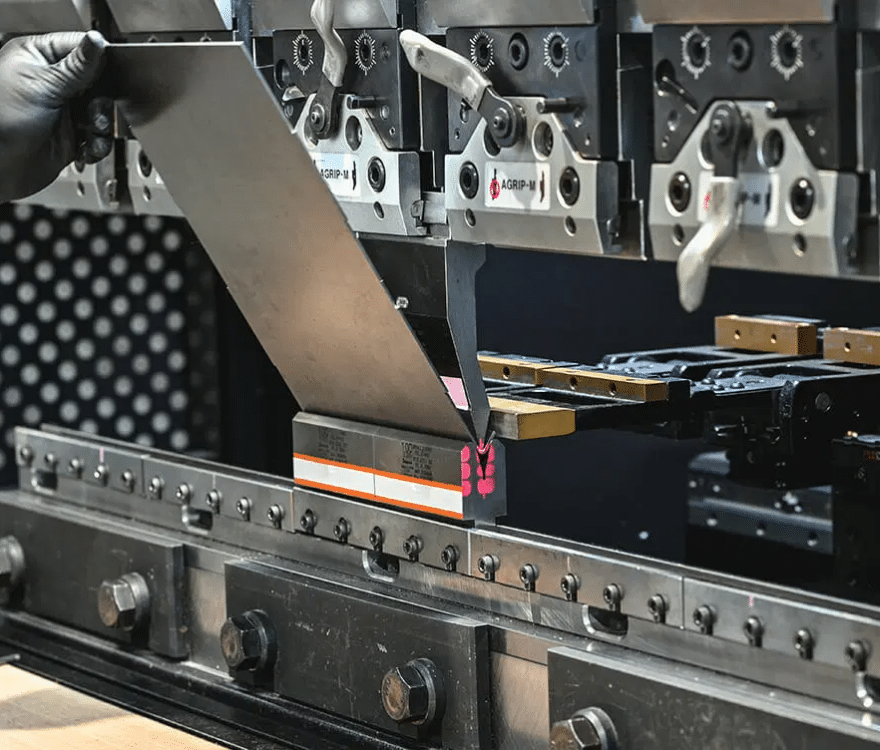
Sheet Metal Bending

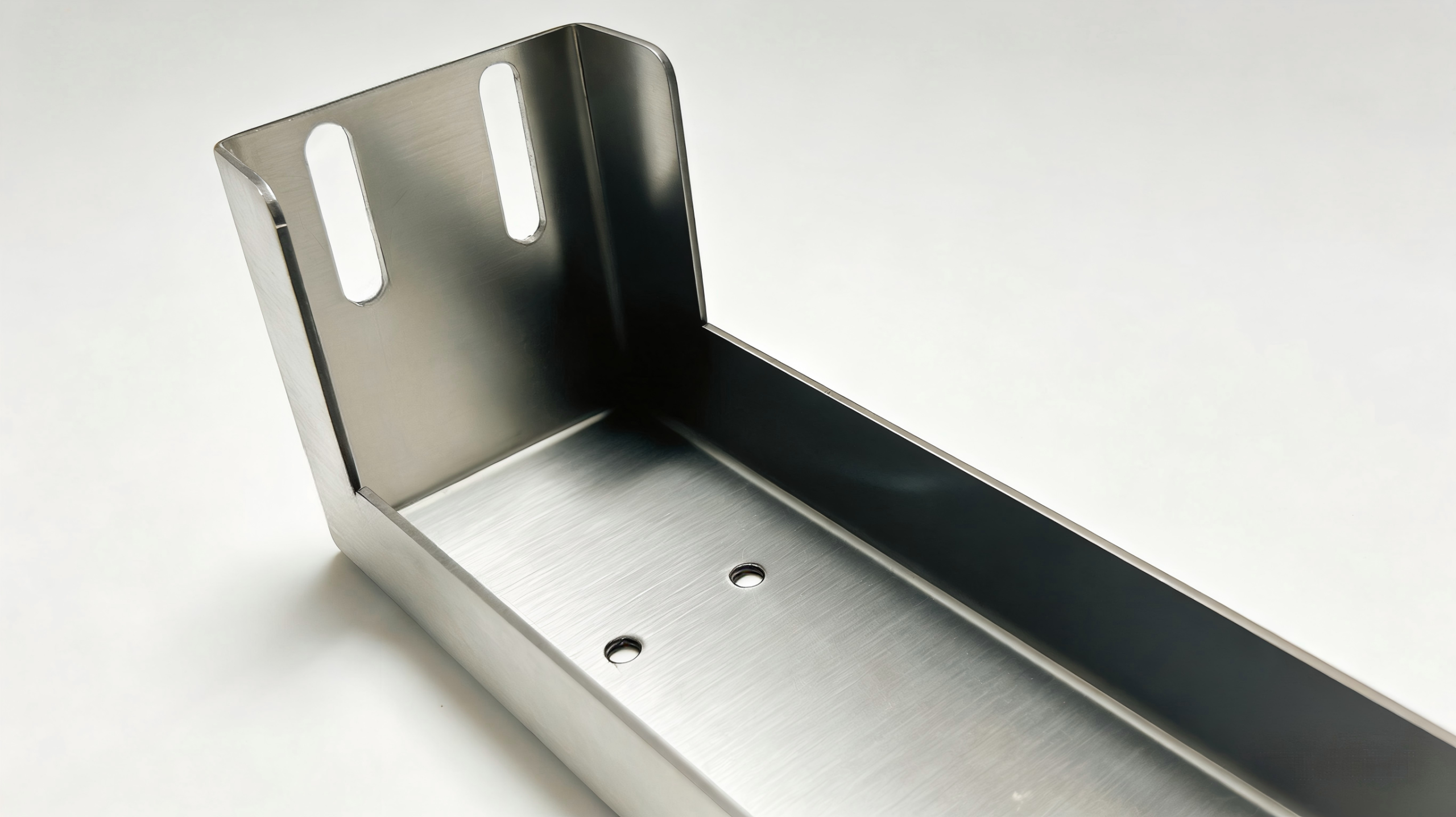
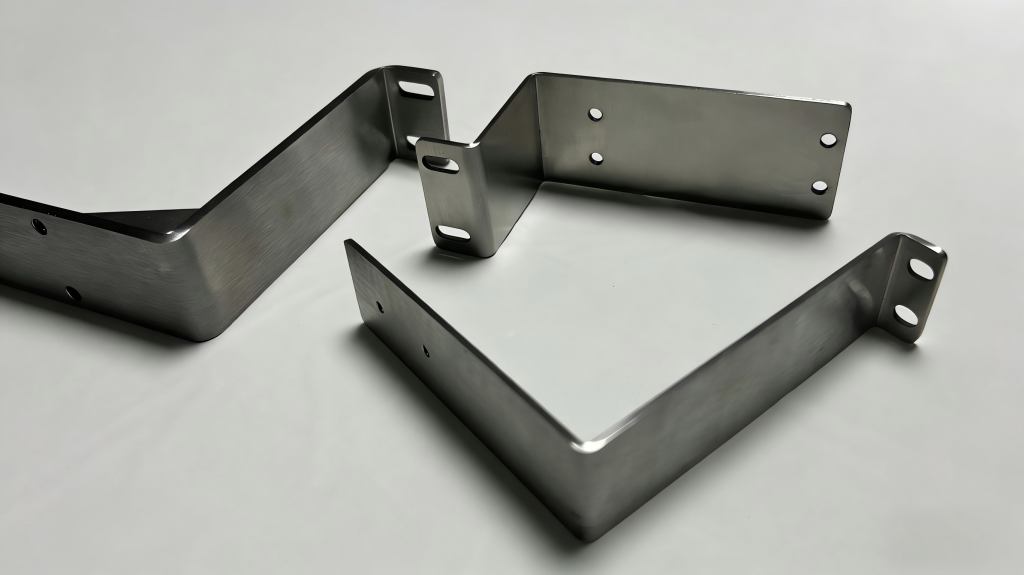
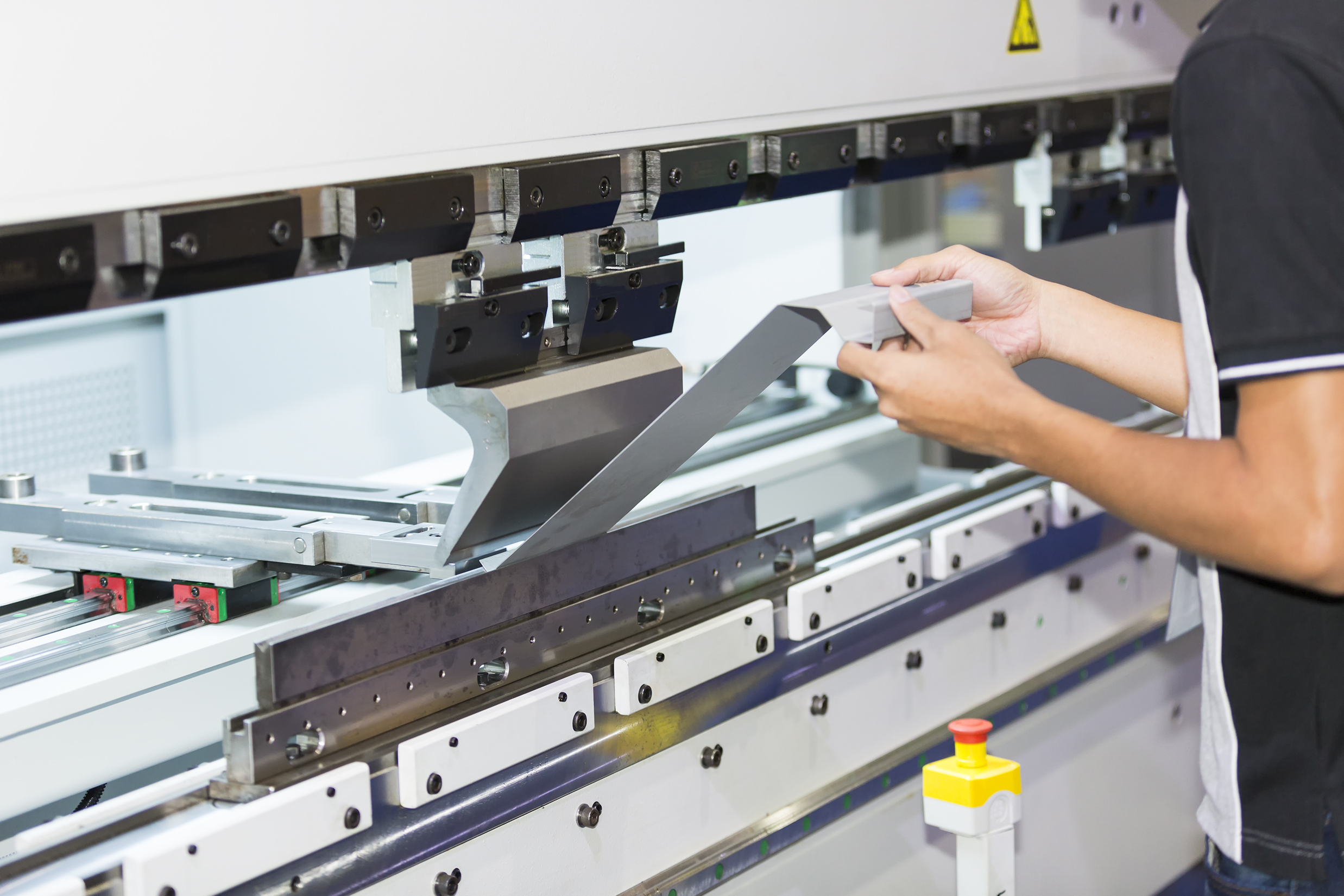
Precision bending up to ±0.5° using CNC press brakes. Suitable for aluminum and stainless steel (0.5–12 mm).

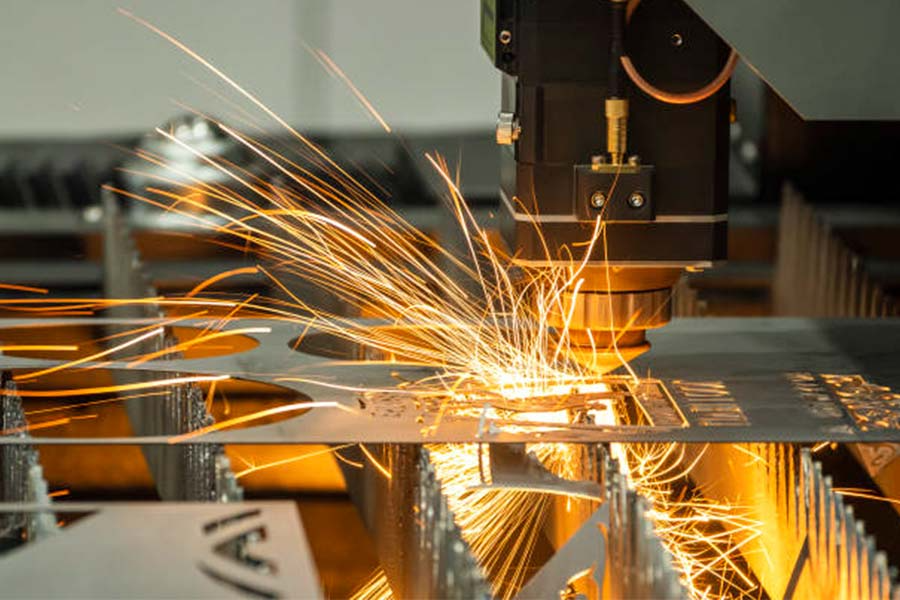
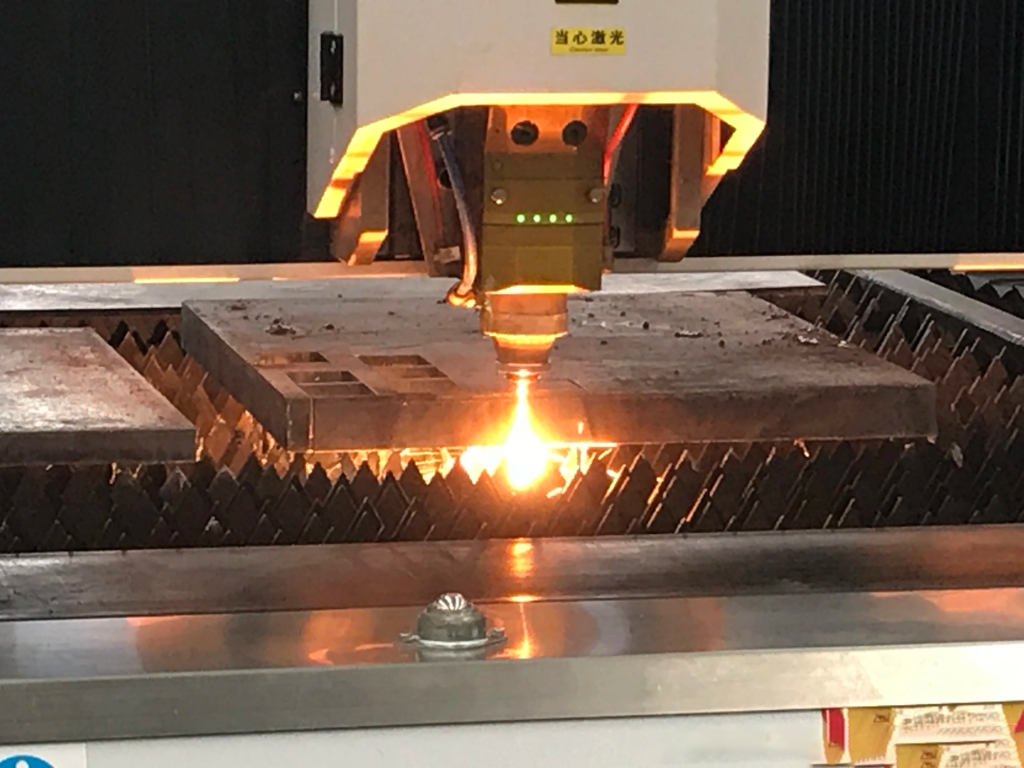
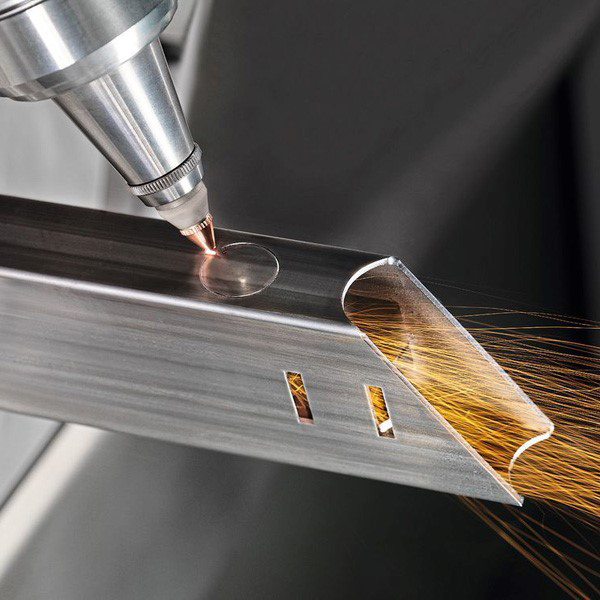
Sheet Metal Laser Cutting

High-precision laser cutting (±0.1 mm) for complex shapes. Clean, burr-free edges for 0.5–20 mm metals.

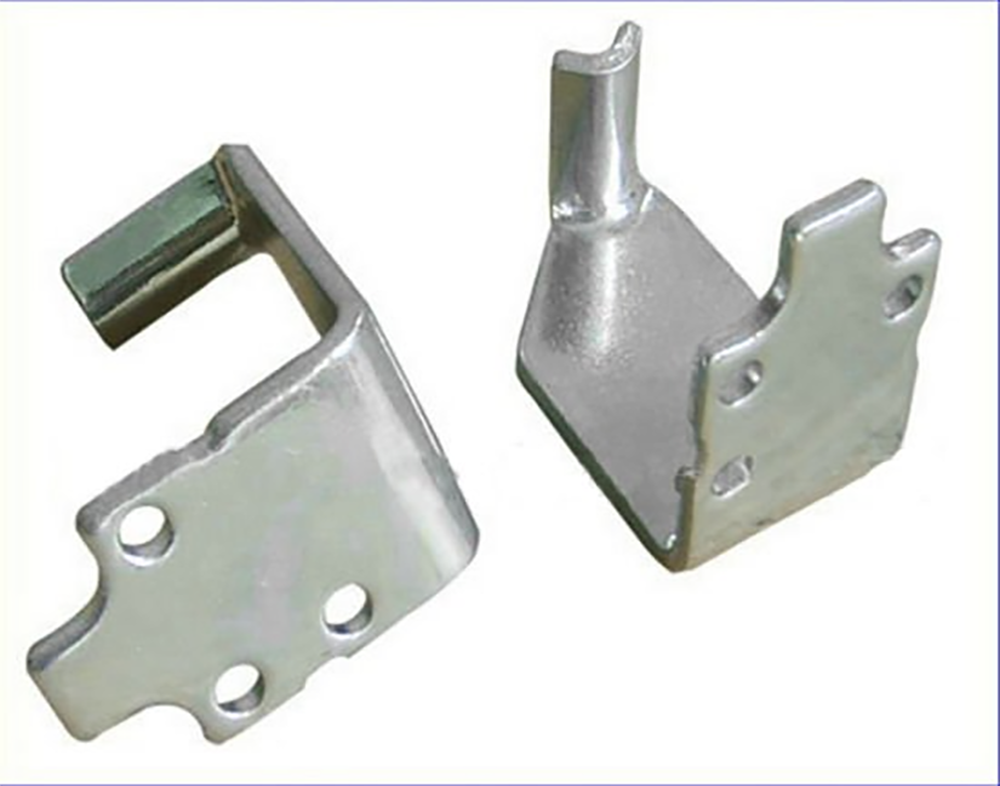
Sheet Metal Stamping

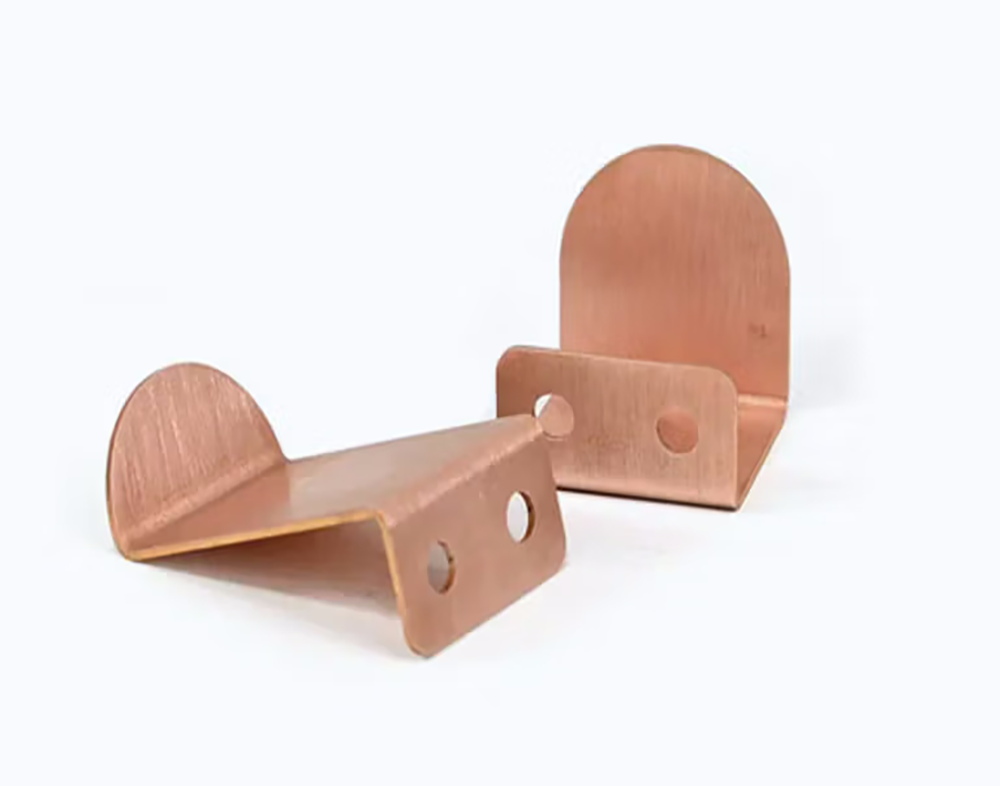
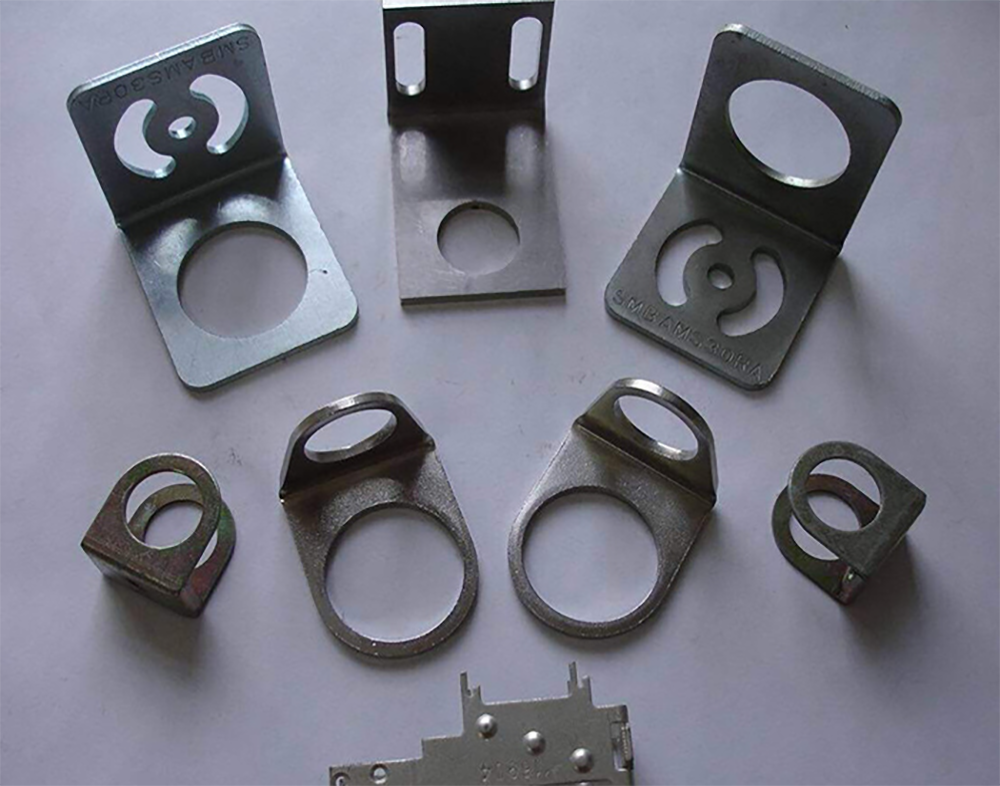
High-volume stamping with ±0.05 mm precision. Cost-efficient production for brackets, clips, and metal parts.

Sheet Metal Welding

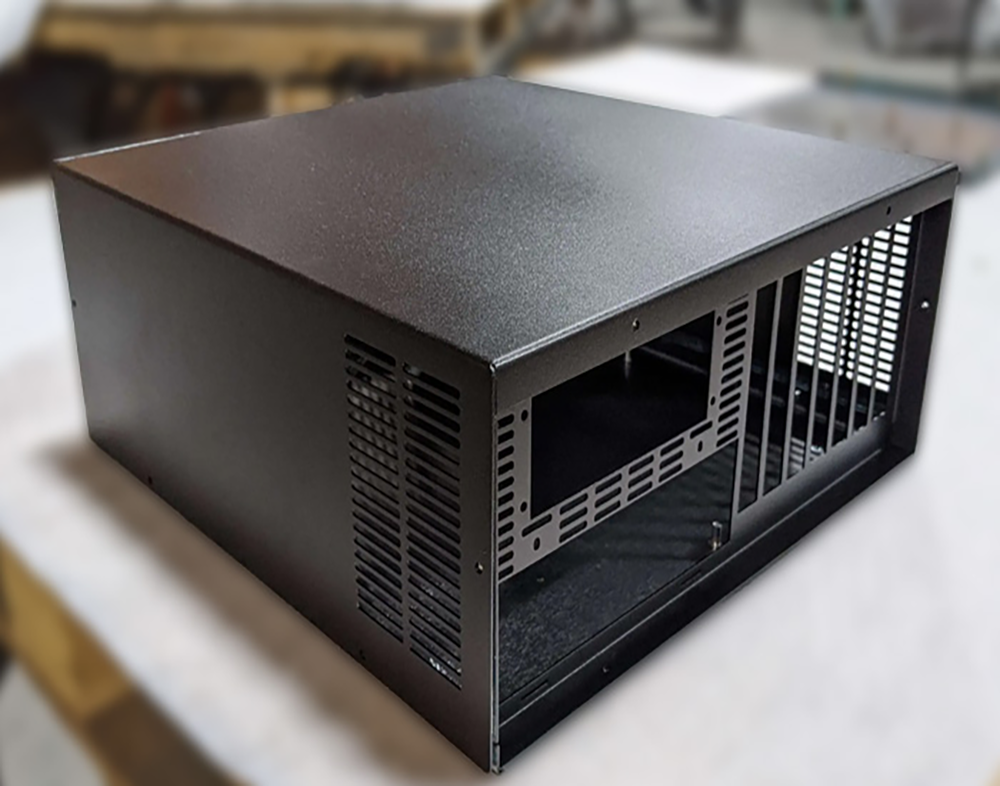
TIG/MIG/spot welding for strong, reliable joints (≥90% base strength). Ideal for enclosures and structural parts.

Laser Cutting Capabilities

Precision cutting for metals and engineered plastics (0.5–25 mm), including stainless steel, copper, and titanium. Clean, burr-free results for high-performance parts.

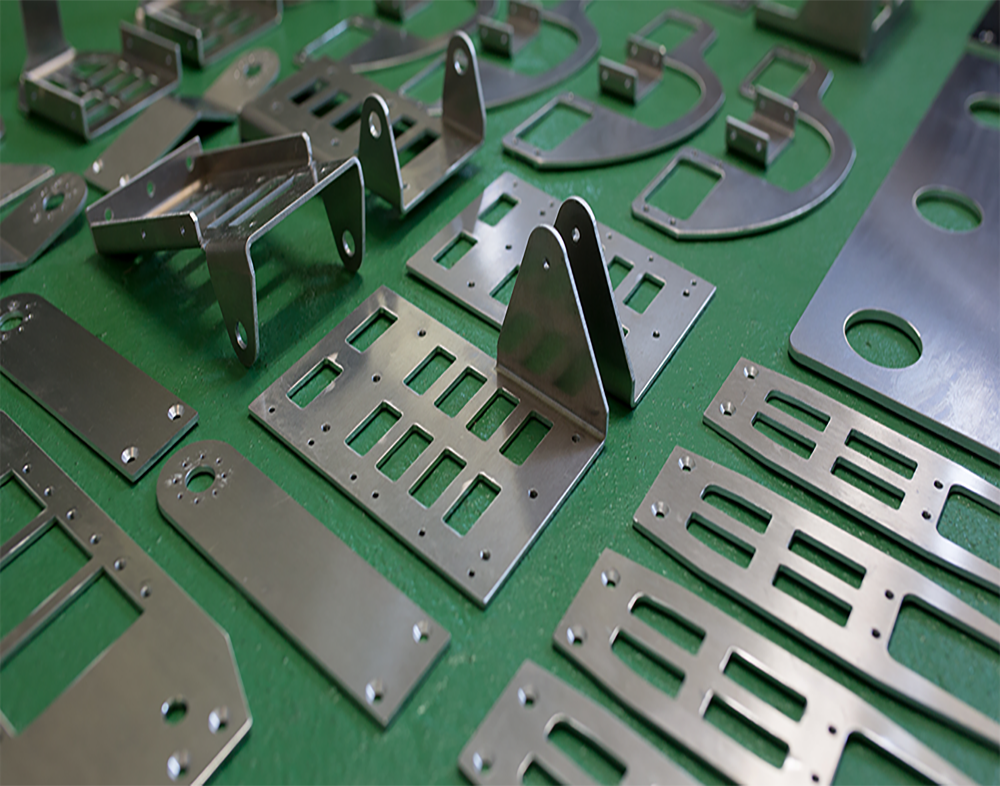
What Is Sheet Metal Fabrication?

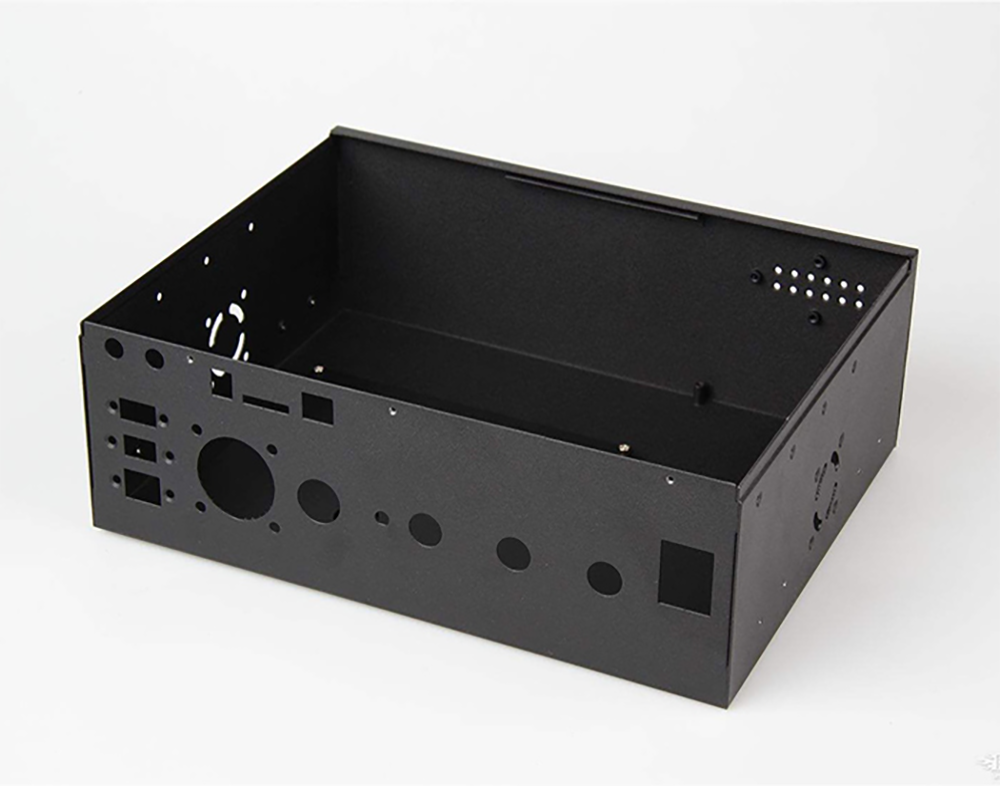
Sheet metal fabrication is the process of turning flat metal sheets into finished parts or products by cutting, bending, and joining. It typically works with materials like steel, stainless steel, aluminum, and copper in thicknesses suited for forming and shaping. Using processes such as laser cutting, CNC bending, stamping, and welding, manufacturers can produce everything from simple brackets to complex enclosures. The result is strong, precise, and cost-efficient components widely used in industries like automotive, electronics, construction, and machinery.

Plasma Cutting Service

Engineered for carbon steel, low-alloy steel, and stainless steel plates (3–50 mm thickness), our plasma cutting service delivers a cost-efficient solution for heavy-duty fabrication.

Utilizing HD (High-Definition) plasma technology, the process achieves ±0.5 mm cutting accuracy with cutting speeds up to 8 m/min, ensuring high productivity for large structural components. The optimized arc stability and energy density significantly reduce heat-affected zones (HAZ) and control edge bevel angles to ≤3°, minimizing secondary machining requirements.

This process is particularly suitable for shipbuilding, structural steel frameworks, and heavy equipment manufacturing, where precision, speed, and material integrity are critical.

Waterjet Cutting Service

Designed for heat-sensitive and high-value materials, including titanium alloys, stainless steel, aluminum, composites, ceramics, and glass (0.1–200 mm thickness), our waterjet cutting service ensures superior material integrity without thermal distortion.
The process employs high-pressure water streams (up to 4000 bar) combined with garnet abrasive, enabling cold cutting with ±0.1 mm precision and no heat-affected zone (HAZ). This eliminates risks of microstructural changes, warping, or recast layers, making it ideal for precision-critical applications.
Advanced multi-axis control allows efficient processing of multi-layer stacks (e.g., up to 5-layer titanium sheets) while maintaining consistent edge quality across all layers. It is also highly effective for brittle and fragile materials such as glass and ceramics, preventing cracking or chipping.
Widely applied in aerospace, medical, electronics, and architectural industries, this process is optimal for components requiring tight tolerances, clean edges, and zero thermal impact.


Sheet Metal Laser Cutting Standards

StandardsDescription
Maximum Part Size12 mm (0.47 in.)
Minimum Part Size1 mm (0.04 in.)
Edge ConditionLaser-cut edges with matte and vertical lines
Distance DimensionsDepend on ISO 2768-c.
Typical size: ±0.25 mm (0.0098 in.) for length, width, diameter and location.
Maximum Material ThicknessCarbon steel < 23 mm (0.91 in.), Stainless steel < 12 mm (0.47 in.),
Aluminum < 15 mm (0.59 in.), Copper < 12.3 mm (0.48 in.)
Kerf (slit size)About 0.5 mm (0.02 in.)
Laser SourcesCO2 and fiber lasers. Up to 10 kW
Positioning Accuracy±0.10 mm (0.004 in.)
Repeatability±0.05 mm (0.002 in.)
Lead Time4–7 days

Sheet Metal Bending Tolerances and Standards

StandardsDescription
Maximum Part Size1.5 m x 1.5 m
Metal Bending ForcesUp to 1000 tons
Bending Line LengthUp to 7200 mm
Bending ThicknessUp to 60 mm
General TolerancesOur metal bending standards depend on ISO 2768.
Bend to edge/hole, single surface±0.254 mm (±0.010 in.)
Bend RadiusBe equal to material thickness
Bend Angle± 1°
Bending Cutting AreaUp to 4000 mm
Lead Time5 days or more

Sheet Metal Bending Tolerances and Standards

Standards Description
Maximum Part Size 1.5 m x 1.5 m
Metal Bending Forces Up to 1000 tons
Bending Line Length Up to 7200 mm
Bending Thickness Up to 60 mm
General Tolerances Our metal bending standards depend on ISO 2768.
Bend to edge/hole, single surface ±0.254 mm (±0.010 in.)
Bend Radius Be equal to material thickness
Bend Angle ± 1°
Bending Cutting Area Up to 4000 mm
Lead Time 5 days or more

Sheet Metal Stamping Tolerances and Standards

Our precision metal stamping services deliver parts to exact specifications across aerospace, automotive, telecommunications, and electronics industries. Custom tolerances can be achieved based on your engineering drawings and requirements.
Minimum Hole Diameter Aluminum: ≥ 1.2 × material thickness
Stainless Steel: ≥ 2 × material thickness
Distance from Edge ≥ 2 × material thickness
Distance from Bend For holes or slots < 0.100″ in diameter/width:
≥ (2 × material thickness + bend radius)
Bend Height ≥ 2.5 × material thickness + bend radius
Bends Close to Edge ≥ 2 × material thickness in width
and ≥ bend radius in length
Notches and Tabs Width ≥ 1.5 × material thickness
Corner Radii ≥ 0.5 × material thickness
滚动至顶部